As we look ahead to 2025, new lifestyle trends are shaping the way we live, work, and connect with the world. Whether it’s adopting healthier habits, embracing sustainability, or integrating the latest tech into daily routines, the upcoming year offers exciting opportunities for personal growth and change. In this article, we’ll explore the top 10 lifestyle trends to embrace in 2025, offering actionable insights to help you stay ahead of the curve and enhance your quality of life.
1. Sustainable Living and Eco-Conscious Choices
Sustainability continues to be a driving force in 2025. Consumers are becoming increasingly aware of their impact on the planet, and eco-conscious living is no longer just a trend—it’s a necessity.
How to Do It:
- Opt for sustainable products: Choose items made from recycled materials, biodegradable substances, or ethically sourced ingredients.
- Reduce waste: Adopt zero-waste practices, such as using reusable containers and reducing plastic usage.
- Support eco-friendly brands: Purchase from companies that prioritize sustainability in their manufacturing processes.
Why It Matters:
Sustainable living helps reduce environmental harm and promotes long-term well-being for both individuals and the planet. With climate change concerns at an all-time high, adopting eco-conscious choices is essential for a healthier future.
2. Holistic Health and Wellness
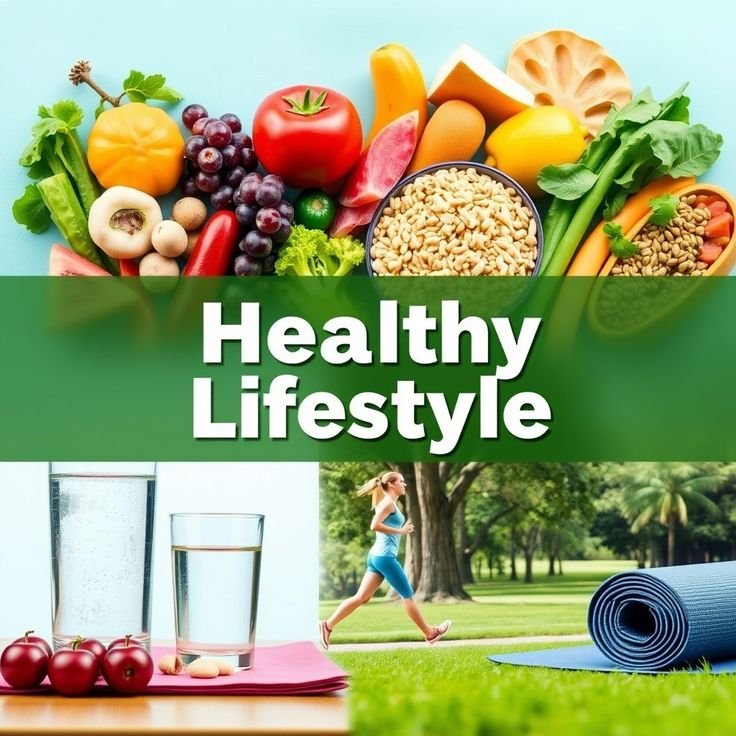
In 2025, a holistic approach to health—encompassing mental, physical, and emotional well-being—is gaining momentum. People are increasingly focused on balancing their mental health with fitness and nutrition to achieve overall wellness.
How to Do It:
- Incorporate mindfulness practices: Engage in activities like meditation, yoga, and breathing exercises to reduce stress and improve mental clarity.
- Adopt balanced nutrition: Focus on whole foods, plant-based diets, and sustainable eating habits that nourish both body and mind.
- Exercise regularly: Include a mix of strength training, cardio, and flexibility exercises in your routine for comprehensive health benefits.
Why It Matters:
A holistic approach to health empowers individuals to take care of their bodies and minds, preventing burnout, and fostering a sense of fulfillment and vitality.
3. Remote Work and Flexible Schedules
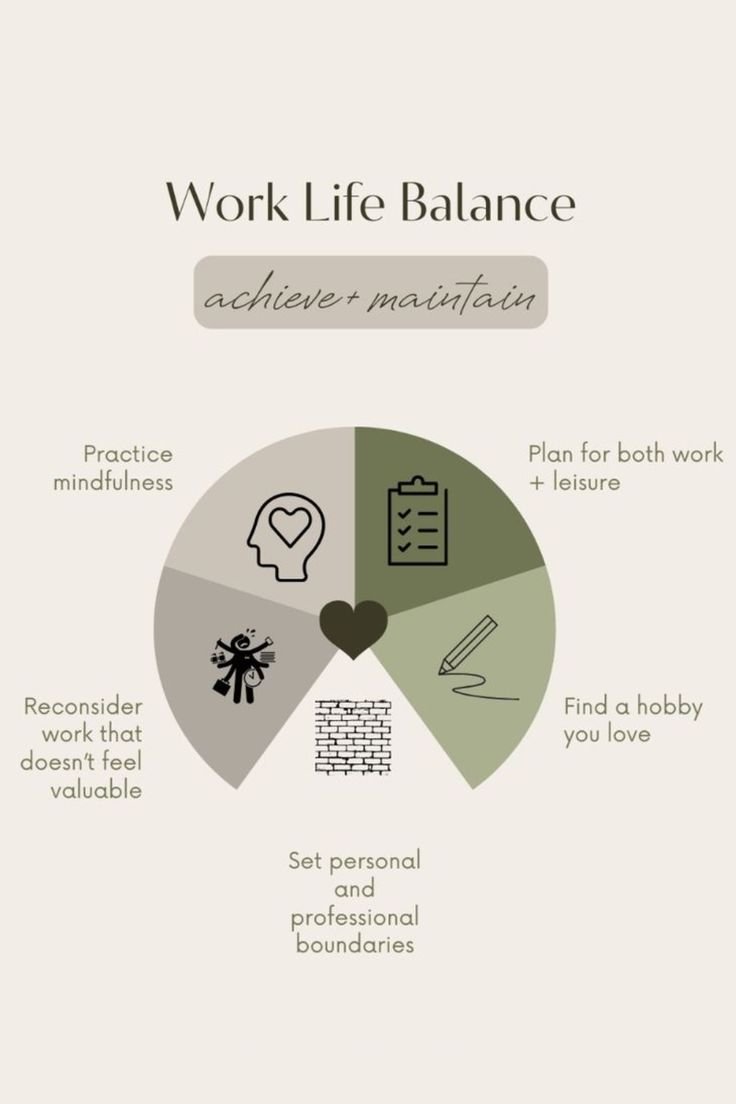
The rise of remote work isn’t just a pandemic-era trend—it’s here to stay. As of 2025, many professionals are opting for flexible work arrangements that promote work-life balance and increase productivity.
How to Do It:
- Adopt a hybrid work model: Split time between the office and remote work, allowing for flexibility while maintaining professional responsibilities.
- Set clear boundaries: Create designated workspaces in your home to separate professional and personal life.
- Leverage productivity tools: Use apps like Trello, Slack, or Zoom to stay connected and manage tasks effectively.
Why It Matters:
Flexible work schedules enhance job satisfaction, reduce stress, and support a healthier work-life balance, making it easier to pursue personal goals and spend more time with loved ones.
4. Mindful Consumption and Minimalism
Minimalism is no longer about just decluttering your space; it’s about adopting a mindful approach to consumption, choosing quality over quantity, and focusing on experiences over material goods.
How to Do It:
- Buy only what you need: Focus on purchasing items that add value to your life and align with your long-term goals.
- Declutter your home: Simplify your environment by getting rid of unnecessary possessions and organizing spaces to enhance your well-being.
- Prioritize experiences: Instead of spending money on material items, invest in memorable experiences like travel, learning, or time with family.
Why It Matters:
Minimalism fosters a simplified, intentional lifestyle that reduces stress and promotes a deeper appreciation for the things that truly matter. By mindful consumption, you can live with less while still having more.
5. AI-Powered Personalization
Artificial intelligence (AI) is revolutionizing how we personalize our experiences. In 2025, AI-driven tools are used to tailor everything from fitness routines to shopping habits, offering a more customized approach to daily life.
How to Do It:
- Leverage AI in fitness: Use apps that provide personalized workout plans based on your goals and progress.
- Personalized shopping experiences: Utilize platforms that recommend clothing, home decor, or beauty products tailored to your preferences.
- AI for mental health: Explore AI-powered apps that offer meditation, journaling, or therapy services designed to fit your emotional needs.
Why It Matters:
AI-powered personalization enhances convenience, improves efficiency, and ensures that experiences are tailored to individual preferences, making daily tasks easier and more enjoyable.
6. Sustainable Fashion and Conscious Clothing Choices
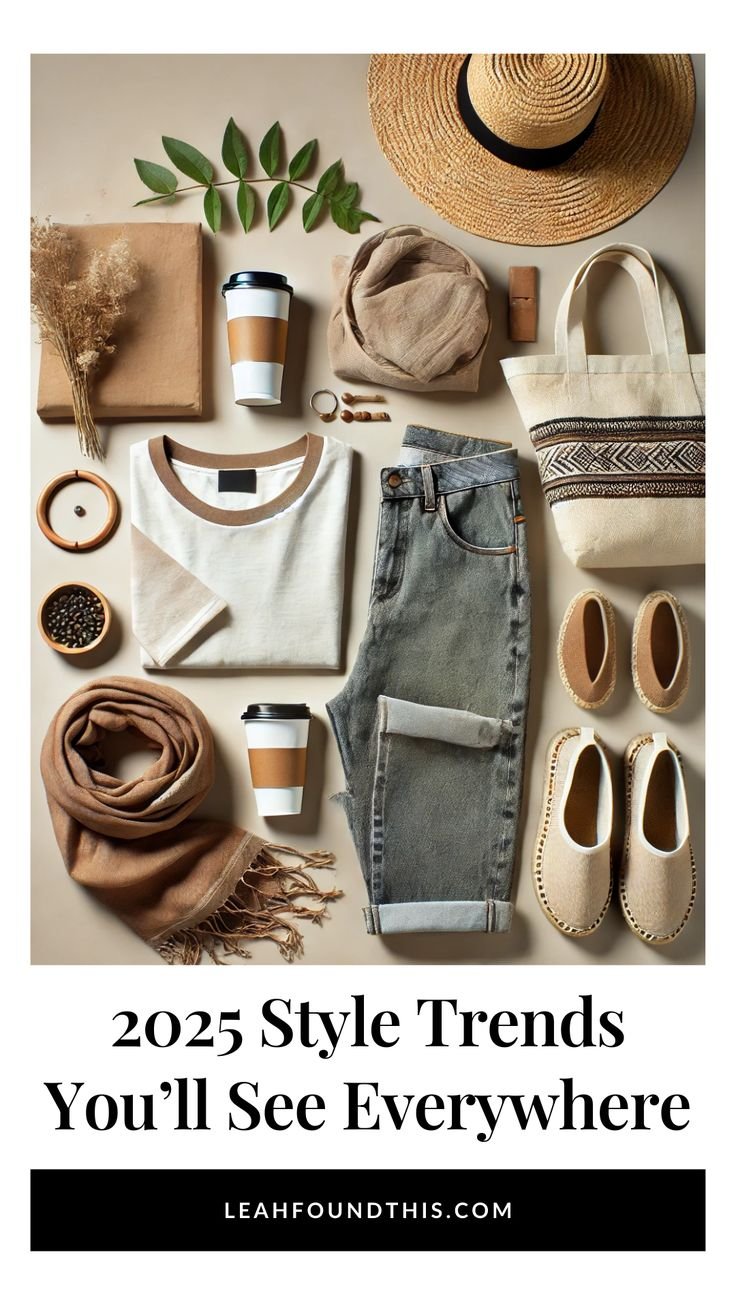
Fashion is shifting towards sustainability as consumers demand more eco-friendly options. In 2025, sustainable fashion will become a mainstream choice, with brands focusing on ethical production, recycled materials, and minimal environmental impact.
How to Do It:
- Buy secondhand or vintage: Shop at thrift stores or online resale platforms for unique, sustainable fashion items.
- Invest in eco-friendly brands: Choose clothing made from organic cotton, recycled polyester, or plant-based materials.
- Focus on quality over quantity: Opt for long-lasting garments that stand the test of time rather than fast fashion that contributes to waste.
Why It Matters:
Sustainable fashion helps reduce the environmental toll of the clothing industry, supports ethical labor practices, and promotes conscious consumerism.
7. Digital Detox and Mental Health Awareness
In 2025, many people are recognizing the importance of disconnecting from digital devices to improve mental health. A digital detox involves stepping back from screens to focus on real-life interactions, self-care, and mindfulness.
How to Do It:
- Schedule tech-free time: Set aside daily periods where you disconnect from your devices to relax or engage in other activities like reading or outdoor exercise.
- Engage in hobbies: Rediscover activities like painting, cooking, or hiking that don’t involve screens.
- Practice mindfulness: Use meditation and journaling to process emotions and reduce screen-related stress.
Why It Matters:
Taking time away from screens helps reduce mental fatigue, anxiety, and stress, leading to improved emotional well-being and better focus on the present moment.
8. Electric Vehicles and Sustainable Transportation
As the world transitions to greener energy, electric vehicles (EVs) are becoming more accessible and mainstream in 2025. Whether for personal use or commuting, EVs are a sustainable alternative to traditional gasoline-powered cars.
How to Do It:
- Invest in an electric car: Look for affordable EV models that fit your needs and lifestyle. Many automakers offer incentives and rebates to reduce the cost.
- Consider electric bikes or scooters: For short commutes, electric bikes and scooters are eco-friendly alternatives that reduce your carbon footprint.
- Charge at home: Install an EV charging station at home for convenience and to reduce reliance on public charging infrastructure.
Why It Matters:
Electric vehicles help reduce greenhouse gas emissions, lower fuel costs, and contribute to a cleaner environment. As governments push for greener transportation, EVs are becoming essential for sustainable living.
9. Plant-Based and Sustainable Eating Habits
The plant-based food movement continues to grow in 2025 as more people adopt diets that prioritize sustainability and health. Plant-based eating not only supports personal health but also reduces the environmental impact of food production.
How to Do It:
- Explore plant-based meals: Incorporate more vegetables, legumes, and grains into your meals to reduce meat consumption.
- Choose sustainable food brands: Look for products that use organic, local, or sustainable ingredients.
- Support plant-based restaurants: Seek out eateries that focus on plant-based menus, reducing the demand for animal farming.
Why It Matters:
Adopting a plant-based diet supports both personal well-being and global sustainability. Reducing meat consumption lowers carbon emissions, conserves water, and reduces the environmental strain of factory farming.
10. Smart Tech for the Home
Smart home technology continues to grow in 2025, offering automation, security, and energy efficiency. Devices that control lighting, temperature, and security are making homes more comfortable and energy-efficient than ever before.
How to Do It:
- Install smart thermostats: Devices like Nest or Ecobee allow you to control home temperature remotely and save energy.
- Use smart lights and sensors: Automate lighting based on your schedule and save electricity with motion-sensor lights.
- Integrate smart security systems: Smart cameras, doorbells, and alarms offer enhanced home security with remote monitoring and real-time alerts.
Why It Matters:
Smart tech for the home improves convenience, enhances energy efficiency, and increases home security, all while reducing your overall environmental footprint.
Conclusion: Embrace the Future with These Lifestyle Trends
In 2025, these top 10 lifestyle trends offer the opportunity to enhance your life while making a positive impact on the world. By embracing sustainability, prioritizing well-being, and integrating new technologies, you can stay ahead of the curve and create a more fulfilling, balanced lifestyle. Whether it’s through eco-conscious living, adopting plant-based eating habits, or enhancing your home with smart devices, these trends are not just about convenience—they are about shaping a better future for you and the planet.