Sustainable fashion has evolved from a niche concern to a mainstream movement that is reshaping the way we consume and perceive clothing. As 2025 approaches, eco-friendly fashion is not only a trend but a necessity. With increasing awareness about environmental issues, the demand for sustainable practices in fashion is stronger than ever. This guide explores how you can build a wardrobe that supports sustainability while staying stylish and up-to-date with the latest trends.
1. Understanding Sustainable Fashion
Sustainable fashion refers to clothing, accessories, and footwear produced in an environmentally friendly way, using ethical labor practices and materials that minimize environmental impact. This movement also focuses on durability, encouraging consumers to buy less, buy better, and extend the life cycle of garments.
How to Do It:
- Choose eco-friendly fabrics: Opt for materials like organic cotton, bamboo, hemp, and Tencel, which require fewer chemicals and less water to produce.
- Prioritize longevity: Invest in durable items that can be worn for many years, reducing the need for frequent replacements.
Why It Matters:
Sustainable fashion reduces the environmental impact of the clothing industry, which is one of the largest polluting sectors globally. Supporting sustainable fashion ensures that future generations have access to a healthier planet.
2. Eco-Friendly Materials and Fabrics
The choice of fabric plays a crucial role in the sustainability of a garment. In 2025, the fashion industry is moving away from conventional materials, such as polyester and leather, toward eco-friendly alternatives that are both stylish and sustainable.
How to Do It:
- Look for natural fibers: Fabrics like organic cotton, linen, and wool are biodegradable and require less energy and water to produce.
- Explore innovative fabrics: Materials like recycled polyester, plant-based leather (such as mushroom leather), and fabrics made from algae or food waste are gaining popularity.
- Support brands using low-impact dyes: Traditional dyeing methods use harmful chemicals, but natural dyes and plant-based options reduce this environmental toll.
Why It Matters:
Eco-friendly materials reduce waste, pollution, and carbon emissions associated with textile production. Choosing these fabrics helps reduce your wardrobe’s overall environmental footprint.
3. The Power of Circular Fashion
Circular fashion is a system where clothes are designed to be reused, repaired, or recycled instead of being discarded after a few uses. In 2025, more fashion brands are adopting circular economy principles, which promote clothing longevity, repair, and upcycling.
How to Do It:
- Buy clothes designed for longevity: Choose items made with high-quality materials that can withstand wear and tear.
- Repair and repurpose: Rather than throwing away damaged garments, learn how to repair them or take them to a tailor for alterations.
- Recycle or upcycle old clothes: Donate or recycle garments you no longer wear. Many brands offer programs where old clothes can be exchanged for discounts or reused in new collections.
Why It Matters:
Circular fashion reduces waste and promotes a more sustainable approach to garment production and consumption. It helps minimize landfill contributions and reduces the demand for raw materials.
4. Supporting Ethical and Transparent Brands
Ethical fashion focuses not only on the environmental impact of clothing but also on the well-being of the workers involved in its production. Brands committed to fair wages, safe working conditions, and transparency in their supply chains are leading the way in sustainable fashion.
How to Do It:
- Research brand values: Look for certifications like Fair Trade, GOTS (Global Organic Textile Standard), and B Corp to ensure that a brand adheres to ethical and sustainable practices.
- Support local brands: Many local artisans and small businesses focus on creating sustainable and ethical fashion, often using local resources and providing fair wages.
- Ask about supply chains: Brands that are transparent about where and how their garments are produced help you make informed purchasing decisions.
Why It Matters:
Supporting ethical brands ensures that your purchases contribute to better working conditions and more sustainable production practices. Transparency helps combat labor exploitation and encourages the industry to adopt fair practices.
5. Secondhand Shopping and Vintage Fashion
Secondhand shopping and vintage fashion are no longer just alternatives—they are key pillars of the sustainable fashion movement. Shopping secondhand reduces waste, supports local businesses, and allows you to find unique, one-of-a-kind pieces.
How to Do It:
- Explore thrift stores and online resale platforms: Websites like Depop, ThredUp, and Poshmark offer curated secondhand fashion options for all styles and budgets.
- Shop vintage: Vintage shops often carry high-quality, timeless pieces that are made to last and can be styled for modern looks.
- Participate in clothing swaps: Organize or attend clothing swap events to exchange items you no longer wear with others in your community.
Why It Matters:
Buying secondhand and vintage fashion prevents garments from ending up in landfills and reduces the demand for new clothing production. It also promotes a circular fashion economy, where clothes are reused rather than discarded.
6. Fashion’s Move Toward Digital
As technology continues to shape various industries, digital fashion has emerged as a way to reduce the environmental impact of physical clothing production. Virtual clothing, AR try-ons, and digital fashion shows are transforming the industry.
How to Do It:
- Try virtual clothing: Platforms like DressX offer digital clothing that can be worn in virtual environments, reducing the need for physical items.
- Use augmented reality (AR): Many brands now offer virtual fitting rooms, allowing customers to try on clothes digitally before purchasing, reducing returns and waste.
- Embrace digital fashion for social media and online events: Virtual garments can be worn in digital spaces like social media profiles, gaming platforms, and virtual reality worlds.
Why It Matters:
Digital fashion reduces material waste by offering a virtual alternative to physical clothing. As the fashion industry grows more digital, it will help reduce the overall carbon footprint associated with garment production and consumption.
7. Minimalism and Capsule Wardrobes
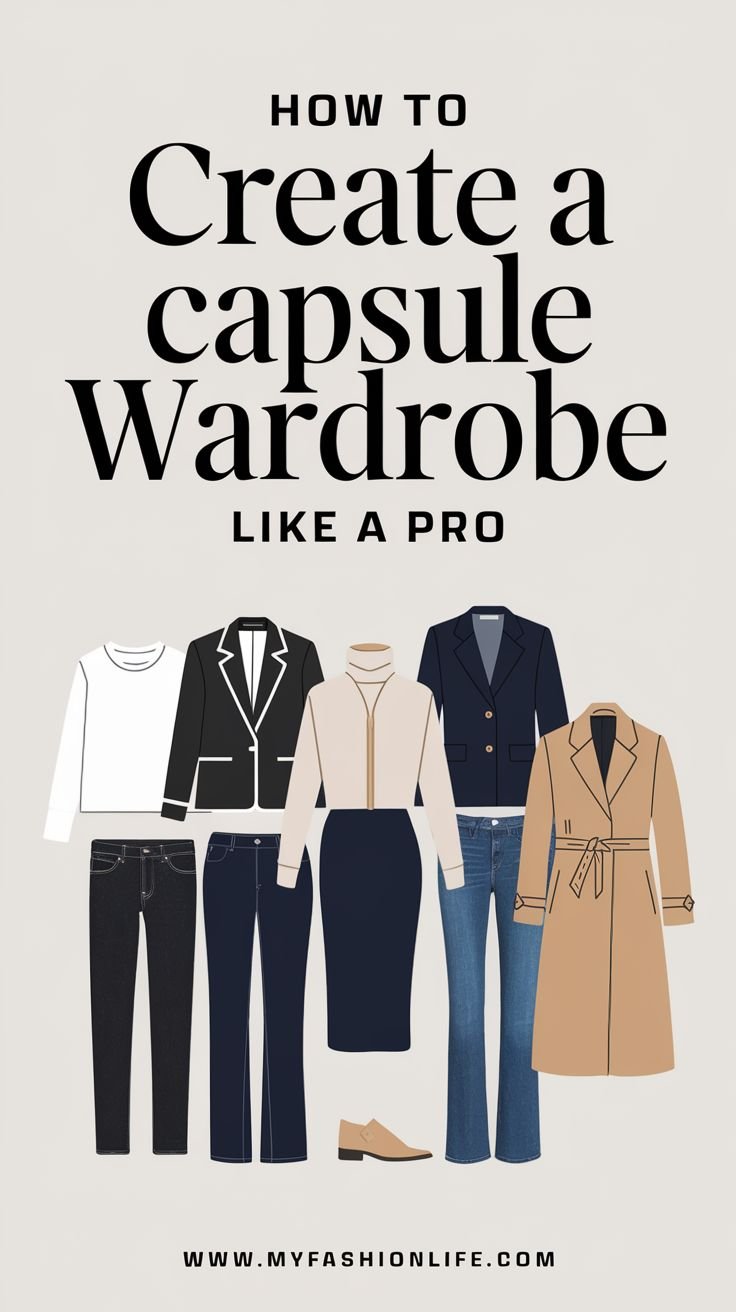
The minimalist fashion trend continues to grow in 2025, with more people embracing capsule wardrobes—small, versatile collections of clothing that can be mixed and matched to create numerous outfits. This approach encourages thoughtful purchasing and reduces clothing waste.
How to Do It:
- Curate a capsule wardrobe: Choose high-quality, neutral-colored items that can be combined in multiple ways to create diverse looks.
- Focus on quality over quantity: Invest in durable, timeless pieces that never go out of style.
- Limit impulse buying: Make intentional purchases based on your current wardrobe needs, rather than trends or seasonal sales.
Why It Matters:
A minimalist wardrobe promotes conscious consumption by focusing on versatile pieces that are worn regularly, rather than accumulating fast fashion items that are rarely used. This reduces clothing waste and saves money in the long run.
8. Upcycling and DIY Fashion
Upcycling and DIY fashion are becoming increasingly popular, as consumers take old clothes and transform them into new, creative pieces. This trend empowers individuals to get creative and personalize their wardrobes while contributing to sustainability.
How to Do It:
- Learn basic sewing and mending skills: Use online tutorials to learn how to alter or repair old garments, making them wearable again.
- Transform old clothes: Take clothes you no longer wear and repurpose them into new items, like turning a pair of jeans into a bag or an old shirt into a dress.
- Add embellishments: Use fabric paints, patches, or embroidery to update old clothing with new designs.
Why It Matters:
Upcycling reduces waste and gives old garments new life, preventing them from ending up in landfills. It encourages creativity and allows you to create unique, one-of-a-kind pieces that reflect your personal style.
9. Educating Yourself and Others About Sustainable Fashion
Sustainability in fashion requires collective action. Educating yourself and others about the environmental and social impacts of clothing production is crucial to driving positive change in the industry.
How to Do It:
- Stay informed: Keep up with the latest trends in sustainable fashion through books, blogs, and documentaries.
- Advocate for sustainability: Share your knowledge with friends and family to encourage sustainable shopping habits.
- Support sustainable initiatives: Participate in campaigns that promote environmental awareness and ethical fashion practices.
Why It Matters:
Education is key to creating a shift in consumer behavior, which can pressure companies to adopt more sustainable practices. The more people understand the impact of their purchasing decisions, the more demand there will be for sustainable fashion options.
10. Supporting Local and Small Businesses
Shopping locally and from small businesses is an excellent way to support sustainable fashion. These businesses often prioritize quality, ethical production, and unique designs, offering alternatives to mass-produced clothing.
How to Do It:
- Shop from local designers and artisans: Support small brands that create handmade, eco-conscious fashion.
- Look for local markets: Many communities have local artisan fairs and markets where sustainable fashion is sold.
- Engage with small brands on social media: Follow and share content from ethical fashion brands to amplify their reach.
Why It Matters:
Supporting local businesses strengthens economies and promotes sustainable practices. These smaller brands often have a greater commitment to sustainability, transparency, and ethical production methods.
Conclusion: Embracing Sustainable Fashion in 2025
The sustainable fashion movement is reshaping the industry and providing consumers with more ethical, eco-friendly options. By focusing on eco-friendly materials, ethical production, upcycling, and supporting local businesses, you can build a wardrobe that reflects your values while contributing to a more sustainable world. In 2025, the fashion industry will continue to innovate and evolve, but your commitment to sustainability will ensure that you make choices that support both your style and the planet.