As we approach 2025, the importance of adopting a healthier lifestyle has never been clearer. With advancements in wellness, technology, and understanding of personal health, there are more opportunities than ever to improve your physical, mental, and emotional well-being. This article provides actionable steps to transform your lifestyle into one that promotes long-term health, happiness, and vitality in 2025.
1. Prioritize Mental Health
Mental health is as crucial as physical health, and its impact on your overall well-being is profound. In 2025, the focus is shifting toward mental wellness with more resources available for self-care, stress management, and emotional regulation.
How to Do It:
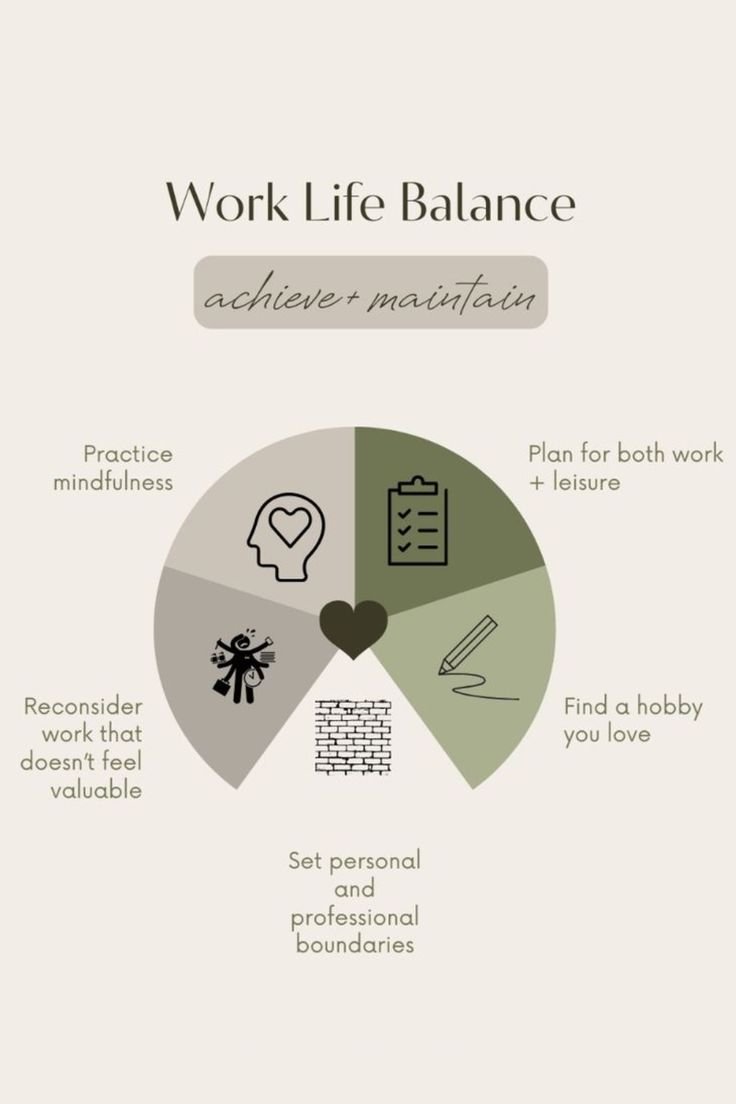
- Practice mindfulness: Incorporate daily mindfulness practices such as meditation, deep breathing, or journaling to manage stress and improve emotional clarity.
- Seek therapy or counseling: Professional help is increasingly accessible online, offering flexibility for mental health care without leaving home.
- Set healthy boundaries: Protect your mental well-being by learning to say no, managing work-life balance, and avoiding toxic environments.
Why It Matters:
Mental health directly influences your physical health, productivity, and relationships. Managing stress and emotions through mindfulness and professional support helps prevent burnout and promotes long-term mental stability.
2. Embrace Regular Physical Activity
Exercise continues to be a cornerstone of a healthy lifestyle. In 2025, fitness routines are becoming more personalized, integrating technology and tailored workouts to optimize physical health and longevity.
How to Do It:
- Find a workout you enjoy: Whether it’s yoga, cycling, weight training, or swimming, choose activities that you look forward to rather than feeling forced to do.
- Integrate movement throughout the day: Take the stairs, go for short walks during breaks, and use standing desks to reduce sedentary time.
- Leverage fitness technology: Use wearable fitness trackers or apps to monitor progress, set goals, and stay motivated.
Why It Matters:
Physical activity boosts cardiovascular health, improves mood, and enhances overall vitality. Regular movement is linked to increased energy levels, better sleep, and reduced risk of chronic diseases.
3. Adopt a Plant-Based Diet
The global shift toward plant-based diets is continuing into 2025, driven by both health benefits and environmental concerns. A plant-based diet can lower the risk of heart disease, improve digestion, and support weight management.
How to Do It:
- Start small: Transition by incorporating more plant-based meals into your routine, such as meatless Mondays or vegetarian lunches.
- Focus on variety: Ensure a balance of nutrients by eating a wide range of fruits, vegetables, legumes, whole grains, and plant-based proteins.
- Learn to cook plant-based meals: Explore simple, healthy plant-based recipes to make eating more enjoyable and sustainable.
Why It Matters:
A plant-based diet is rich in vitamins, antioxidants, and fiber, helping to boost immunity, reduce inflammation, and maintain a healthy weight. It also supports sustainability by reducing the carbon footprint of animal agriculture.
4. Optimize Sleep for Better Health
Sleep is essential for physical recovery, mental clarity, and emotional well-being. As we head into 2025, improving sleep quality has become a top priority for those looking to optimize their health.
How to Do It:
- Establish a sleep routine: Go to bed and wake up at the same time each day to regulate your circadian rhythm.
- Create a restful environment: Keep your bedroom cool, dark, and quiet, and remove distractions like screens or electronic devices before bedtime.
- Focus on sleep hygiene: Avoid caffeine and heavy meals close to bedtime, and engage in relaxing activities like reading or meditative breathing to wind down.
Why It Matters:
Good sleep is essential for cognitive function, emotional stability, and immune health. Prioritizing sleep enhances productivity, mood, and overall energy, making it one of the simplest yet most powerful ways to improve your lifestyle.
5. Use Technology for Health Monitoring
Advances in wearable technology and health apps make it easier to monitor and manage your health. In 2025, devices that track physical activity, sleep, nutrition, and even mental well-being are integral to maintaining a healthy lifestyle.
How to Do It:
- Wear health tracking devices: Use smartwatches or fitness bands to monitor steps, heart rate, sleep cycles, and more.
- Track your nutrition: Use apps that help you log your meals and offer insights into improving your diet based on your health goals.
- Utilize AI health assistants: Some apps now offer personalized advice based on your health data, helping you make informed decisions about your lifestyle.
Why It Matters:
Technology empowers you to take control of your health with real-time data and actionable insights. Monitoring key metrics helps prevent issues before they arise and enables a more proactive approach to wellness.
6. Prioritize Hydration and Detoxification
Proper hydration and detoxification are fundamental for maintaining energy levels, supporting digestion, and ensuring healthy skin. In 2025, more individuals are recognizing the importance of staying hydrated and clearing toxins from their bodies regularly.
How to Do It:
- Drink water consistently: Aim to drink at least eight glasses of water per day, or more depending on activity levels.
- Incorporate hydrating foods: Foods like cucumbers, watermelon, and oranges are excellent for staying hydrated while also providing vital nutrients.
- Support detoxification: Include detoxifying foods such as leafy greens, ginger, and lemon in your meals, and consider regular practices like intermittent fasting or herbal teas for detox support.
Why It Matters:
Proper hydration improves energy levels, skin health, and mental clarity. Detoxifying practices support the body’s natural cleansing processes, reducing the burden on vital organs like the liver and kidneys.
7. Cultivate Meaningful Relationships and Social Connections
Social well-being is a crucial part of a healthy lifestyle, and in 2025, the focus is on building deeper, more meaningful relationships. Strong connections with others can improve mental health, increase happiness, and provide support in times of need.
How to Do It:
- Foster quality over quantity: Focus on building deeper connections with close friends, family, and colleagues rather than spreading yourself thin.
- Engage in community activities: Volunteering, joining clubs, or participating in social events fosters connection and builds a strong support network.
- Practice empathy and communication: Make an effort to understand others’ perspectives and engage in open, honest conversations to strengthen your relationships.
Why It Matters:
Human connection is integral to emotional health, providing a sense of purpose, security, and happiness. Meaningful relationships contribute to reduced stress, improved mental well-being, and overall life satisfaction.
8. Invest in Digital Wellness
As technology becomes more integrated into daily life, digital wellness is a growing concern. By 2025, more individuals are focusing on managing their screen time, protecting their mental health, and using technology in a balanced way.
How to Do It:
- Set screen time limits: Use apps that help track and limit your screen time, ensuring that you balance online and offline activities.
- Create tech-free zones: Designate areas in your home, like the bedroom or dining area, where electronics are not allowed to promote healthy boundaries.
- Engage in digital detox: Take regular breaks from screens to avoid burnout and reduce stress associated with constant connectivity.
Why It Matters:
Digital wellness helps you maintain a healthy balance between the physical and virtual world, ensuring that technology enhances rather than detracts from your overall well-being.
9. Integrate Mindful Eating Habits
Mindful eating is gaining traction in 2025 as people focus on the quality of their food and the experience of eating. This approach encourages eating slowly, savoring each bite, and being fully present during meals to improve digestion and satisfaction.
How to Do It:
- Eat without distractions: Avoid eating in front of screens and take time to focus on your meal.
- Chew thoroughly and enjoy the flavors: Mindful eating encourages you to engage with your food and recognize when you’re full to avoid overeating.
- Choose nourishing, whole foods: Focus on fresh, nutrient-dense meals that fuel your body rather than processed, sugary foods.
Why It Matters:
Mindful eating helps regulate portion sizes, improve digestion, and foster a positive relationship with food. It’s also linked to better mental health and a balanced diet.
10. Focus on Sustainable Fashion Choices
As sustainability becomes a central theme in lifestyle transformation, sustainable fashion is a key area to focus on in 2025. By making conscious clothing choices, you can reduce waste and contribute to a more eco-friendly world.
How to Do It:
- Buy less, choose wisely: Focus on purchasing high-quality items that are built to last, rather than succumbing to fast fashion trends.
- Opt for sustainable materials: Look for clothing made from organic cotton, recycled fabrics, or innovative materials like hemp.
- Support ethical brands: Purchase from companies that prioritize fair labor practices and environmental responsibility.
Why It Matters:
Sustainable fashion reduces environmental impact, promotes ethical labor practices, and helps you make more mindful purchasing decisions. It also allows you to build a versatile, long-lasting wardrobe that reduces waste.
Conclusion: Transform Your Lifestyle for a Healthier 2025
Transforming your lifestyle for a healthier 2025 involves making intentional changes in various areas of your life, from mental health and fitness to diet and technology. By focusing on well-being, sustainability, and personal growth, you can embrace a healthier, more balanced lifestyle that supports both your physical and mental health. Start making small changes today, and by 2025, you’ll be living a lifestyle that’s not only healthier but also more fulfilling.