The world of fashion is constantly evolving, and 2025 promises to bring exciting shifts in style, materials, and design. From bold innovations in sustainable fashion to new digital experiences, the trends emerging this year will shape the way we dress and express ourselves. Here are the top 10 fashion trends to watch in 2025, offering a glimpse into the future of style.
1. Sustainable and Eco-Conscious Fashion
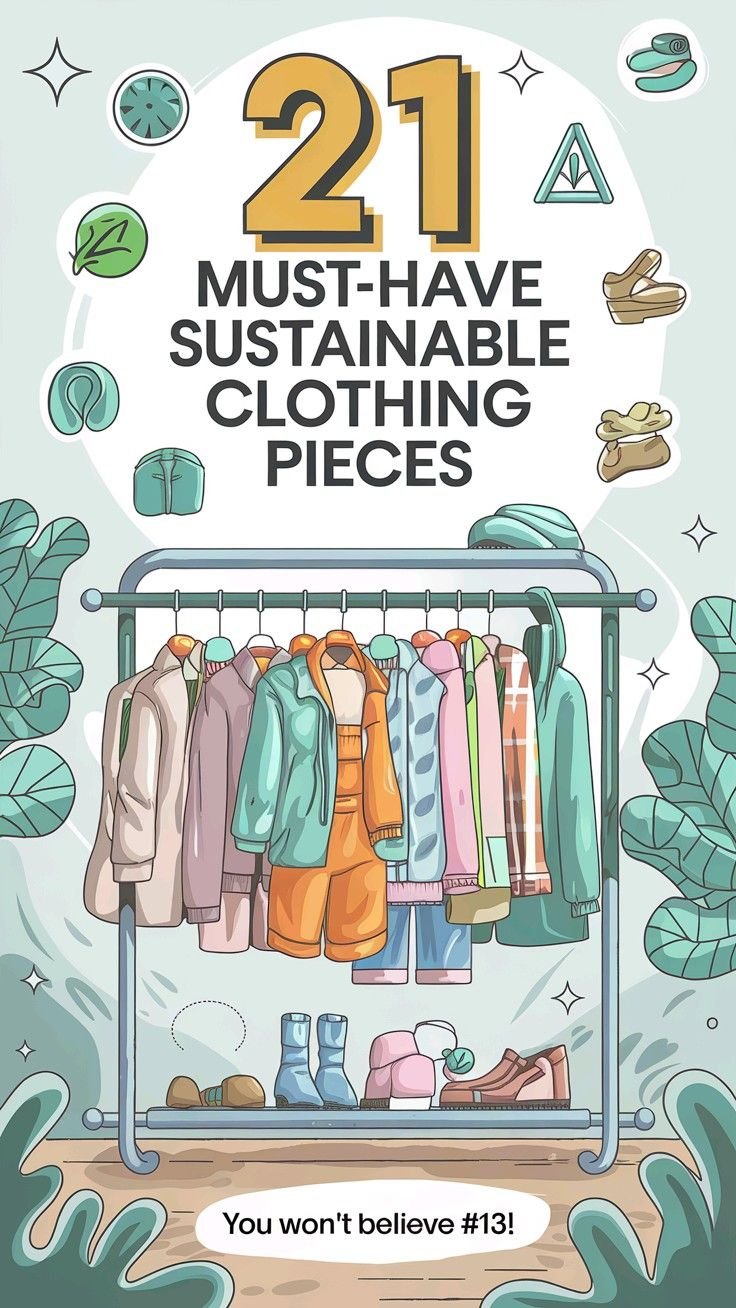
Sustainability remains a dominant force in the fashion industry, with more consumers and brands prioritizing eco-friendly materials and ethical production practices. As environmental awareness continues to grow, 2025 will see a further shift towards sustainable fashion.
How to Do It:
- Opt for eco-friendly fabrics such as organic cotton, hemp, and recycled polyester.
- Support brands with transparent supply chains that focus on ethical labor practices and waste reduction.
- Invest in high-quality, long-lasting pieces instead of fast fashion to reduce consumption.
Why It Matters:
Sustainable fashion addresses the industry’s impact on the environment, promoting responsible consumption. Consumers increasingly favor brands that contribute positively to the planet and society, making sustainability essential for future success.
2. Technological Integration in Fashion (Wearables)
Wearable technology continues to rise in popularity, with innovations that merge fashion with function. By 2025, smart clothing and accessories, from fitness-tracking wearables to fashion-forward augmented reality (AR) glasses, will be mainstream.
How to Do It:
- Embrace functional fashion: Look for clothing that integrates technology, such as garments with built-in sensors or clothing that adapts to temperature changes.
- Explore AR experiences: With the rise of virtual try-ons, shoppers can now use AR to visualize how clothes will look before purchasing, making online shopping more interactive.
Why It Matters:
Technology-infused fashion enhances convenience, supports lifestyle needs, and adds innovation to everyday clothing. Wearables provide both practicality and creativity, making them an exciting trend for fashion-forward consumers.
3. Y2K Revival
Nostalgia for the early 2000s continues to influence fashion, and in 2025, we’ll see the Y2K aesthetic firmly return. This style draws inspiration from the playful, maximalist trends of the turn of the millennium, incorporating bold colors, oversized silhouettes, and retro accessories.
How to Do It:
- Incorporate bold statement pieces like low-rise jeans, chunky sneakers, and graphic tees.
- Accessorize with fun, futuristic elements such as butterfly clips, chunky jewelry, and metallic finishes.
- Mix and match vibrant colors to recreate the eclectic, energetic vibe of the Y2K era.
Why It Matters:
The Y2K aesthetic embraces individuality and creativity, offering a playful break from minimalism. It appeals to a generation raised on early internet culture and adds an element of fun to modern wardrobes.
4. Gender Fluidity and Unisex Clothing
Fashion in 2025 will continue to break traditional gender norms, with more brands offering unisex clothing that appeals to people of all gender identities. Gender fluidity in fashion allows individuals to express themselves authentically without being confined by conventional clothing standards.
How to Do It:
- Invest in neutral and versatile pieces that can be styled in a variety of ways, such as oversized shirts, tailored pants, and simple dresses.
- Mix masculine and feminine elements: Pair traditionally “masculine” pieces like blazers with “feminine” touches like skirts or accessories.
- Support brands promoting inclusivity that offer a wide range of sizes and styles for all genders.
Why It Matters:
Gender-fluid fashion promotes inclusivity and freedom of expression. It reflects society’s growing acceptance of diverse identities, providing people the opportunity to define their style on their own terms.
5. Tech-Enhanced Fabrics
In 2025, we can expect fabrics to become even more innovative with the integration of advanced technologies, such as fabrics that change color, respond to environmental stimuli, or monitor health. These innovations are pushing fashion into the realm of high-tech functionality.
How to Do It:
- Look for adaptive fabrics: Materials that change color or texture depending on environmental factors like light or temperature.
- Consider performance fabrics: Choose garments made with fabrics that improve health or comfort, such as moisture-wicking, UV-protective, or self-cleaning fabrics.
Why It Matters:
Tech-enhanced fabrics combine fashion with functionality, offering practical benefits such as comfort, durability, and convenience. This trend elevates the potential of fashion, making it more dynamic and forward-thinking.
6. Maximalism and Bold Prints
2025 will see a shift towards maximalism, with an emphasis on bold, vibrant prints and layered textures. This trend moves away from minimalism, encouraging people to experiment with eye-catching patterns, loud color combinations, and exaggerated proportions.
How to Do It:
- Mix and match patterns: Combine florals with stripes, animal prints with polka dots, and abstract patterns for an eclectic, layered look.
- Embrace oversized silhouettes like exaggerated sleeves, oversized coats, and statement accessories to make a bold visual impact.
- Play with color: Opt for clashing colors or unexpected pairings to create dynamic outfits that demand attention.
Why It Matters:
Maximalism offers an opportunity for personal expression and creative fashion choices. This trend allows individuals to embrace their unique style, promoting individuality and fun in their wardrobe.
7. Sustainable Fashion Tech (3D Printing)
In 2025, 3D printing will continue to revolutionize the fashion industry by enabling designers to create custom-made, sustainable clothing. This technology reduces waste and allows for the creation of intricate, innovative designs that were once impossible.
How to Do It:
- Look for 3D-printed fashion pieces: From shoes to jewelry, many designers are incorporating 3D printing into their collections to offer personalized designs with minimal waste.
- Support eco-conscious brands that utilize 3D printing to reduce excess fabric production and material waste.
Why It Matters:
3D printing offers a sustainable solution to fast fashion’s waste problems while allowing for greater customization and unique design options. It also pushes the boundaries of traditional garment construction, enabling groundbreaking designs.
8. Athleisure Evolution
Athleisure continues to evolve, with 2025 bringing even more sophisticated and versatile pieces that seamlessly blend performance wear with everyday clothing. The growing demand for comfort and functionality in fashion has made athleisure a permanent fixture in modern wardrobes.
How to Do It:
- Invest in high-quality activewear that transitions from the gym to casual outings, such as stylish leggings, sports bras, and sleek jackets.
- Incorporate performance fabrics like moisture-wicking, breathable materials into everyday outfits.
- Pair athleisure with formal wear: Combine joggers with blazers or sneakers with dresses for a polished, yet relaxed look.
Why It Matters:
Athleisure remains popular because it combines comfort with style, making it ideal for the modern lifestyle. As fashion continues to prioritize convenience, athleisure will continue to grow in popularity.
9. Upcycled and Vintage Fashion
Sustainability is driving the popularity of upcycled and vintage clothing, with many consumers seeking one-of-a-kind pieces that have a unique history. In 2025, this trend will continue to gain traction, with more fashion brands focusing on repurposing old materials and garments.
How to Do It:
- Shop secondhand: Explore vintage shops or online platforms for pre-loved fashion pieces that are both sustainable and unique.
- Support brands that prioritize upcycling: Look for companies that use discarded materials or old garments to create new, fashionable products.
- Mix vintage with modern styles: Combine vintage pieces with contemporary fashion for a personalized, timeless look.
Why It Matters:
Upcycled and vintage fashion reduces waste and contributes to a more sustainable future. It also allows consumers to own distinctive items that reflect personal style while promoting environmental responsibility.
10. Digital Fashion and Virtual Clothing
The rise of digital fashion is expected to skyrocket in 2025, with virtual clothing and accessories becoming increasingly popular in the metaverse. Digital fashion allows consumers to experiment with different looks without the environmental cost of physical garments.
How to Do It:
- Experiment with virtual fashion platforms: Platforms like DressX allow users to try on virtual clothing and create digital outfits for social media and virtual events.
- Use augmented reality (AR) apps to try on virtual clothing before purchasing digital garments for your avatar or online persona.
Why It Matters:
Digital fashion offers a sustainable alternative to traditional clothing consumption and opens up new possibilities for self-expression in virtual environments. It’s a futuristic trend that bridges the gap between technology and style.
Conclusion: Fashion in 2025—Where Innovation Meets Style
Fashion in 2025 will be defined by innovation, sustainability, and inclusivity. From technological advancements like 3D printing and wearables to a continued focus on eco-consciousness and bold design, these trends promise to reshape the way we view and experience fashion. By embracing these emerging trends, you can stay ahead of the curve and curate a wardrobe that reflects both modern style and a forward-thinking attitude.